


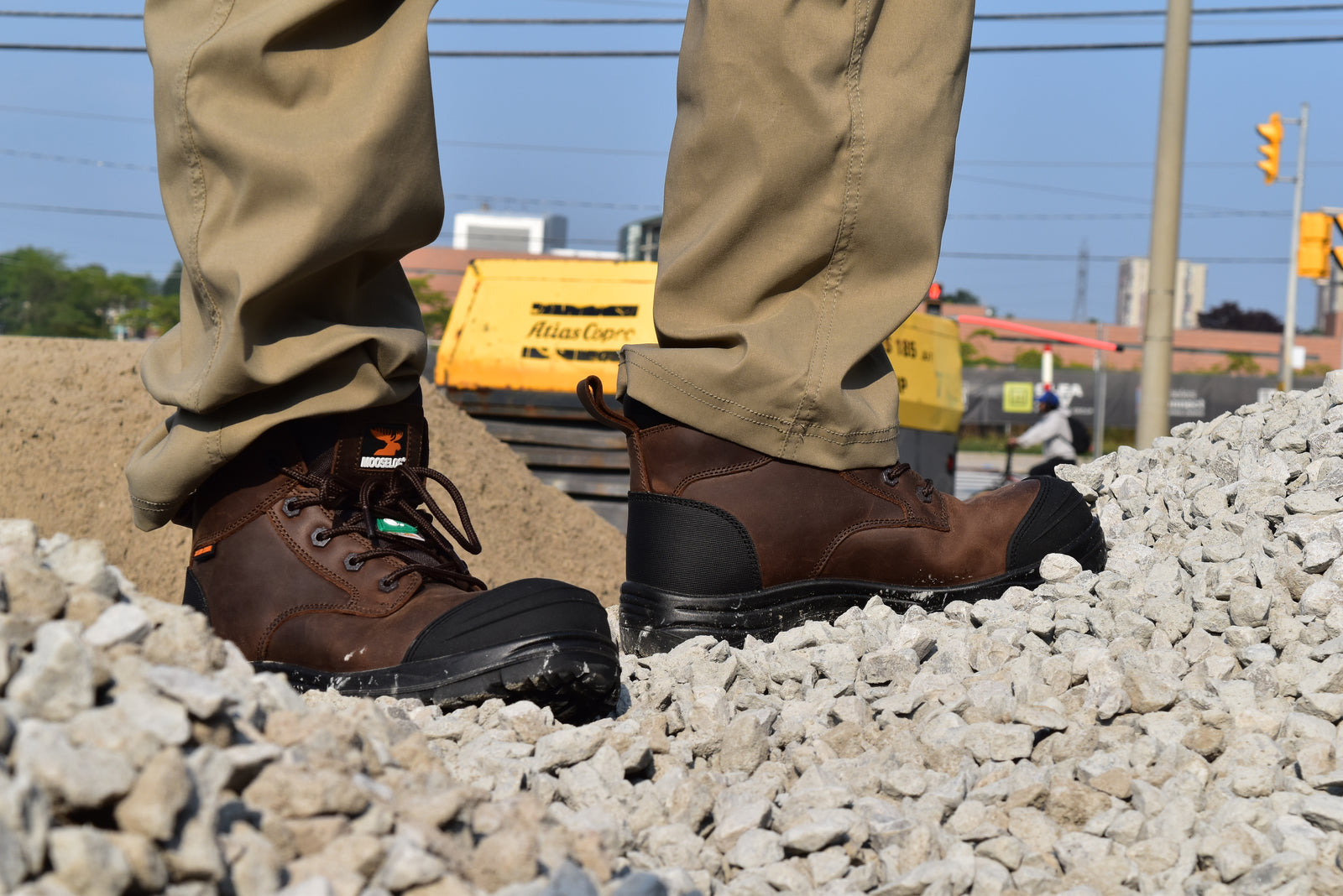
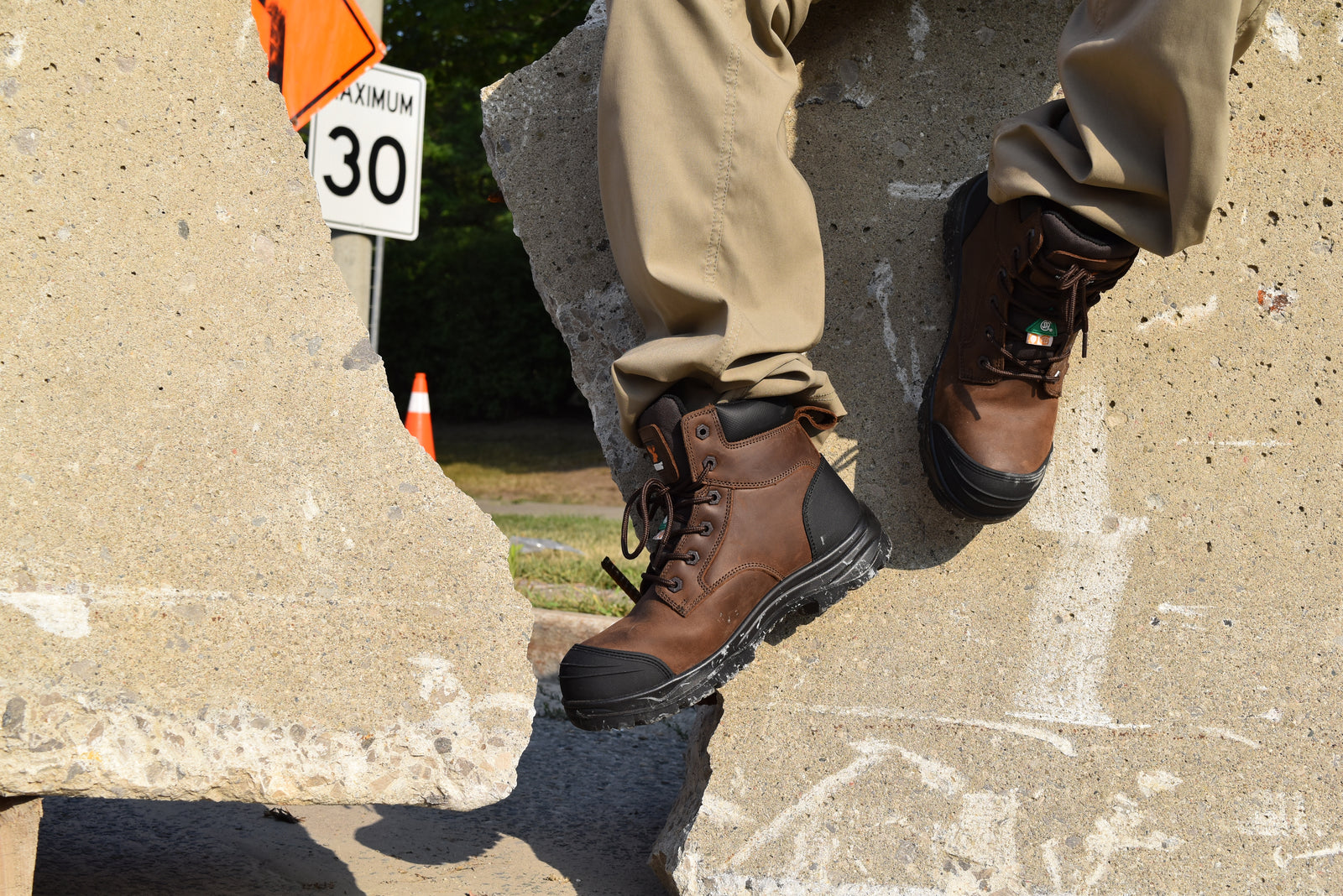
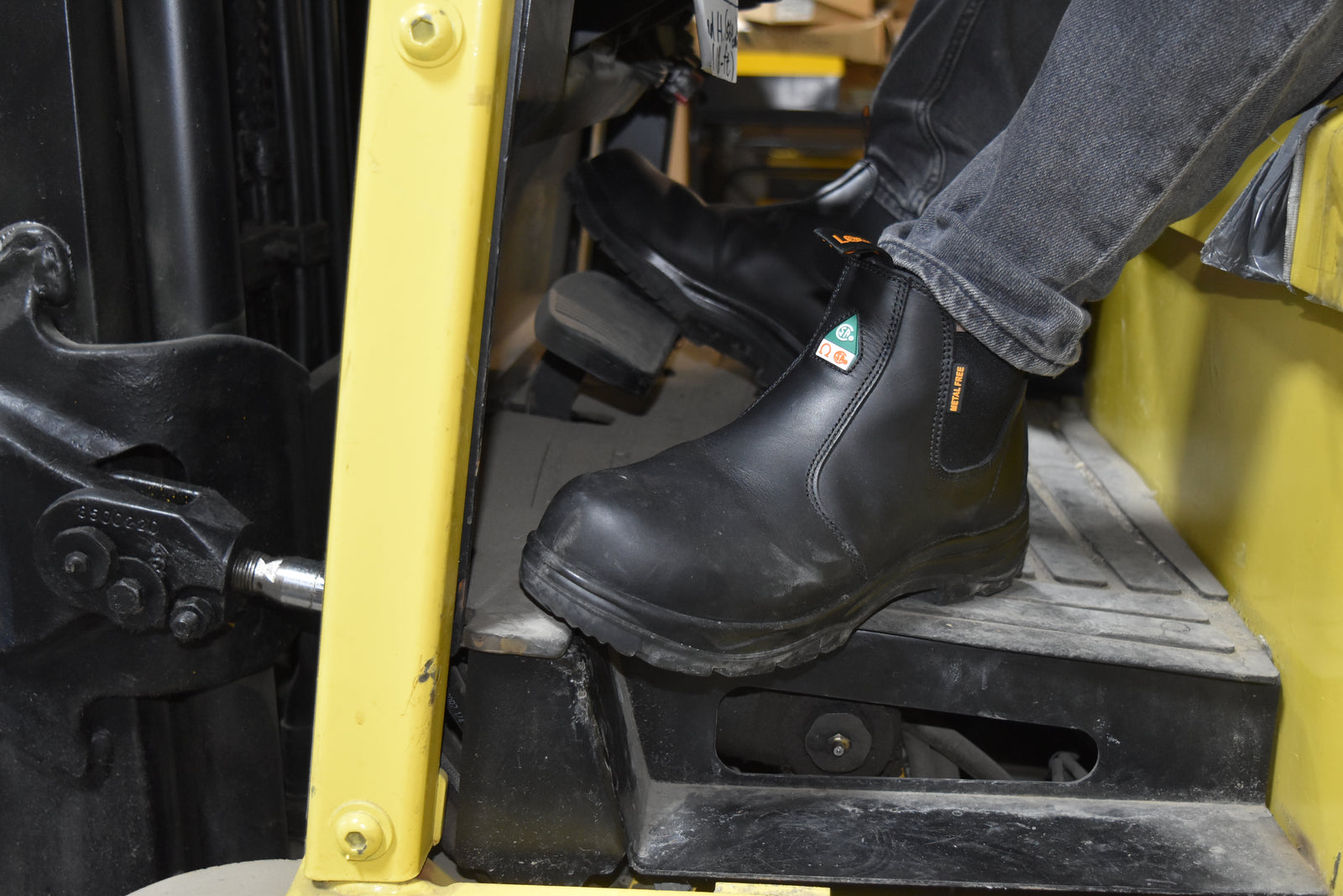
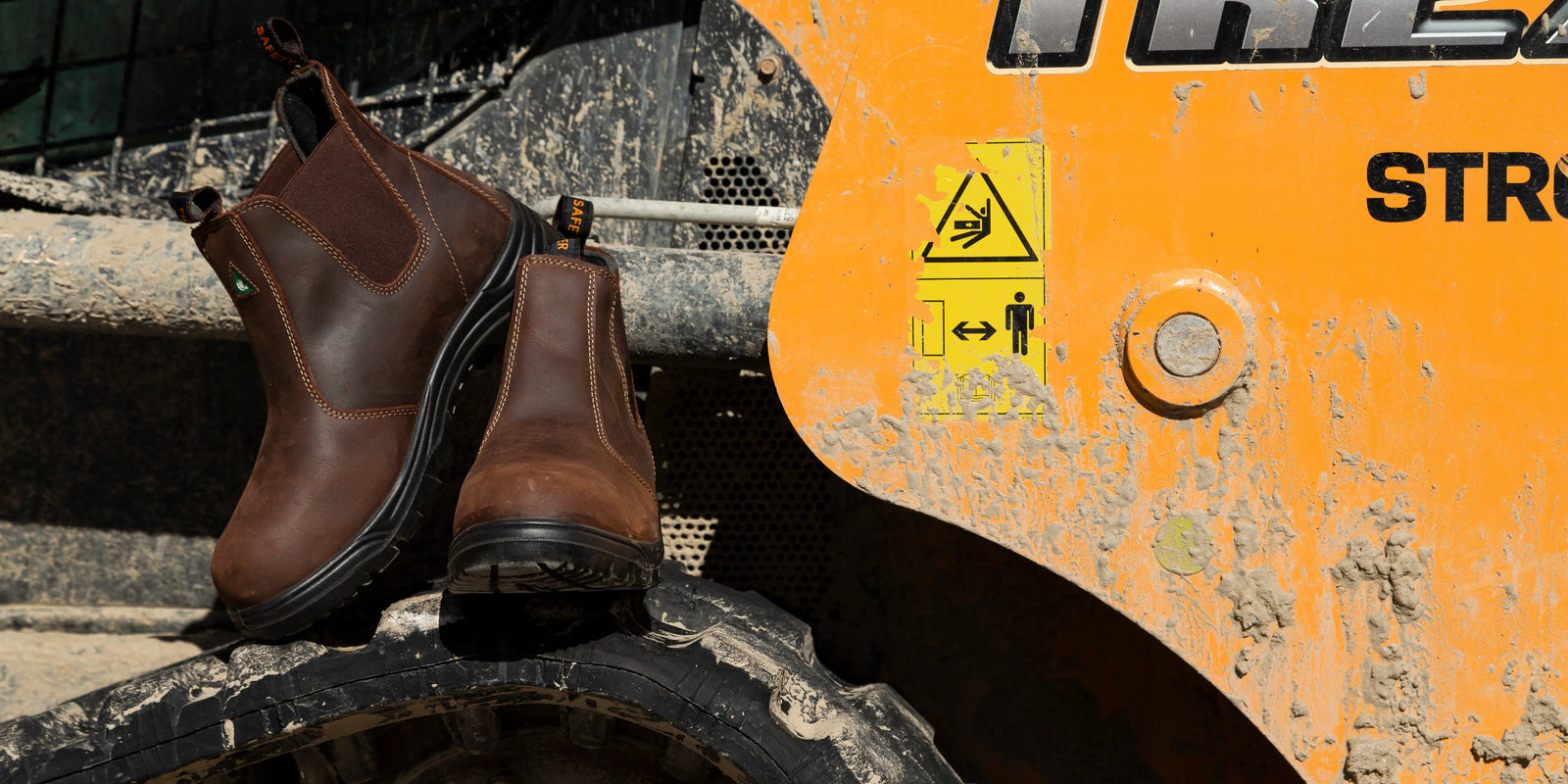
Les bottes de travail à lacets MooseLog offrent un maintien sûr et une protection certifiée pour les travaux les plus exigeants. Conformes aux normes CSA et ASTM, chaque paire est testée pour résister aux chocs, aux perforations et aux risques électriques. Le laçage assure un maintien et une stabilité optimaux de la cheville sur les chantiers les plus difficiles, tandis que les semelles extérieures antidérapantes garantissent une adhérence parfaite sur le béton, l'acier et les terrains accidentés. Avec leurs embouts composites et leurs semelles intérieures à haut rebond, ces bottes allient durabilité et confort, même après de longues heures de travail. Du BTP à l'entreposage, les bottes à lacets MooseLog sont conçues pour les travailleurs qui ont besoin de chaussures de sécurité fiables et performantes, jour après jour.
Aucun produit trouvé
Utiliser moins de filtres ou tout supprimer
Plus de collections
Le journal quotidien
Le guide ultime pour choisir des chaussures de sécurité et des bottes de travail homologuées CSA
En savoir plus
Plaques anti-perforation dans les bottes de travail : avec ou sans
En savoir plus
Comprendre la norme ASTM F2413 : ce que tout travailleur devrait réellement savoir
En savoir plus
Semelles en polyuréthane injecté direct vs semelles collées pour chaussures de sécurité | Comparatif
En savoir plusQuestions fréquemment posées
How should lace-up work boots fit?
Lace-up work boots should feel snug around your heel and ankle without being too tight. Your toes should have enough room to move comfortably, and your heel shouldn't slip excessively when walking. Adjust the laces for a secure fit without restricting circulation.
Can work boots be comfortable?
Yes. Comfort depends on design, materials, and how weight is distributed through the midsole and insole.
Safety boots like ours use polyurethane midsoles for shock absorption and high-rebound insoles to reduce pressure under the heel and forefoot. A proper fit, breathable lining, and flexible outsole make long shifts easier on the feet without reducing protection.
What’s the difference between composite toe vs steel toe boots?
Steel toes are metal, super tough, and often cheaper but heavy, conduct heat/cold/electricity.
Composite toes use lightweight, non-metal materials like fiberglass, meeting the same CSA and ASTM safety standards (impact, compression). They’re lighter (less leg fatigue), don’t conduct electricity (safer for electricians), and metal-detector-friendly.
What are CSA approved work boots?
CSA approved work boots meet the Canadian Standards Association (CSA Z195-14) requirements for workplace safety. To earn CSA approval, a boot must pass lab tests for impact resistance, compression strength, and puncture protection. The green triangle on the label identifies boots that meet Grade 1 safety standards, the highest level recognized for industrial use in Canada.
What does ASTM mean for work boots?
ASTM stands for the American Society for Testing and Materials. The standard ASTM F2413-24 sets the safety requirements for toe impact, compression, electrical hazard protection, and puncture resistance. Work boots that meet this standard are recognized by U.S. job sites and OSHA regulations.
Why MooseLog Boots?
MooseLog is a Toronto-based safety footwear company focused solely on CSA and ASTM certified boots for North American tradesmen. Everything we make is shaped around the demands of the trade. Strong protection, all-day comfort, and reliable grip.
Each pair meets strict standards for impact, compression, electrical hazard, and puncture resistance. Features like the BigZone™ composite toe, Dyna-Flex® puncture plate, and SafeTread™ slip-resistant outsole are jobsite tested by local tradesmen.
