


Browse CSA Approved Safety Shoes in Manitoba
-
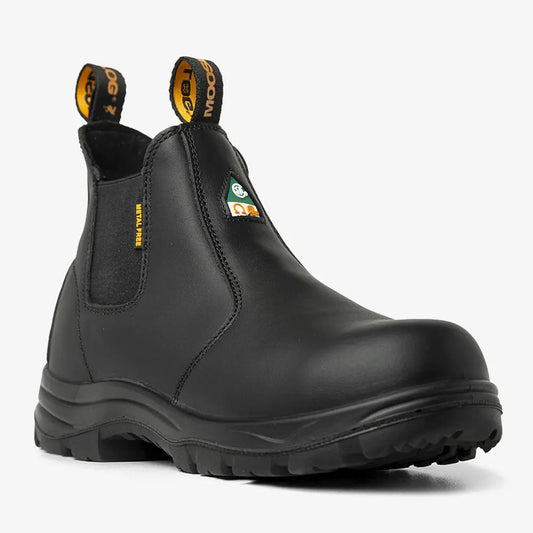
Men's Timber ASTM & CSA Composite Toe Chelsea Safety Work Boots - Style 5666
Regular price $169.99 CADRegular price Sale price $169.99 CADUnit price per -
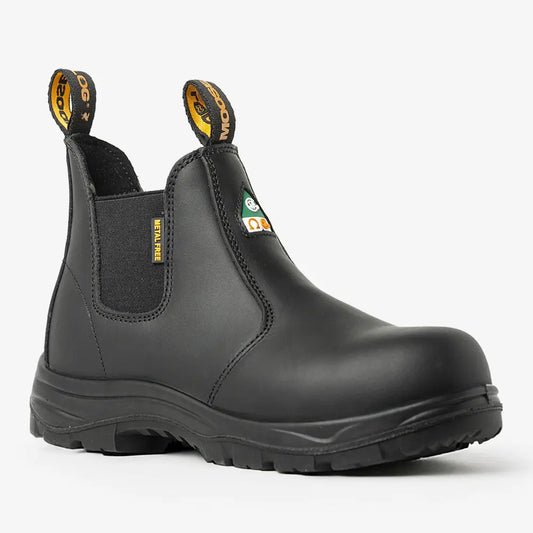
Women's Timber ASTM & CSA Composite Toe Chelsea Safety Work Boots - Style 666
Regular price $169.99 CADRegular price Sale price $169.99 CADUnit price per


CSA approved means the footwear meets the safety tests defined in the CSA Z195 standard. These tests confirm impact protection, puncture resistance, and electrical hazard defence when the boot carries the matching mark. The approval tells you the boot passed laboratory testing and earned a verified safety rating.
You can explore a deeper breakdown of in our CSA approved safety shoes guide.
Each rating appears as a specific CSA symbol, and these symbols help you understand exactly what level of protection you get.

Green Triangle
The green triangle marks safety footwear with a Grade 1 protective toe cap and a puncture-resistant sole. It meets the highest CSA Z195 impact rating and includes a plate that helps stop sharp objects from entering through the bottom of the boot. Jobs with heavy materials, sharp debris, or active warehouse movement rely on this symbol.

White Rectangle & Orange Omega
The white rectangle with the orange Omega symbol identifies footwear with electrical shock resistance. It passes CSA testing up to 18,000 volts and contains no exposed metal parts. Workers who handle electrical equipment or work near live circuits depend on this mark for added protection.

SD
The SD symbol appears on footwear that reduces static build-up on the body and moves low-level charges safely into the ground. It helps lower the risk of static discharge in workplaces that handle electronics, chemicals, or sensitive components.

SD+
The SD+ symbol indicates an upgraded level of static control. It removes static charges faster and manages a wider range of surface conditions. Facilities with strict static requirements often use SD+ footwear for added protection around electronic systems and precision equipment.

Metatarsal Protection
The metatarsal symbol marks footwear with built-in protection over the upper foot. It shields the metatarsal bones against falling objects during lifting, loading, or heavy material movement. The protection guard must pass a 75ft-lb (101.7 J) impact test. Workers in industrial settings rely on this feature for extra impact control.
- Labs measure impact clearance in the toe cap after a drop test
- Labs apply compression force to confirm crush resistance
- A steel probe measures how the puncture plate stops sharp objects
- Electrical equipment checks voltage leakage through the boot
- Static testing confirms how fast the boot moves static energy into the ground
- A top-strike test measures protection over the metatarsal area
Regular care keeps safety shoes performing the way they were designed. Start by brushing off dust and workplace debris at the end of each shift, since buildup can shorten the life of the upper and outsole. Wipe the leather or synthetic material with a damp cloth and let the footwear dry at room temperature so the structure does not weaken from heat.
Remove the insoles once in a while to air them out and slow odour buildup. Check the tread for worn areas and look for cuts in the outsole, since damaged traction reduces stability on concrete, steel, and wet surfaces. Clean the toe cap area as well, because dirt trapped around the forefoot can stiffen the upper over time. Consistent maintenance keeps the shoe stable, comfortable, and reliable through daily use.

Full Grain Waterproof Leather Upper
Resists moisture, softens over time, and moulds naturally to your foot shape.
Anti-Fatigue High Rebound Insole
Layered PU cushioning that absorbs impact and returns energy to reduce strain.
Fiberglass Composite Toe Cap
Layered reinforced fibres to provide CSA approved impact protection with minimal weight.
SafeTread Rubber Outsole
Slip resistant, oil resistant, and heat resistant up to 300°C (572°F)
Dyna-Flex Composite Plate
Anti-puncture lightweight and flexible plate that stops sharp objects from entering through.
Full Grain Waterproof Leather Upper
Resists moisture, softens over time, and moulds naturally to your foot shape.
Anti-Fatigue High Rebound Insole
Layered PU cushioning that absorbs impact and returns energy to reduce strain.
Fiberglass Composite Toe Cap
Layered reinforced fibres to provide CSA approved impact protection with minimal weight.
SafeTread Rubber Outsole
Slip resistant, oil resistant, and heat resistant up to 300°C (572°F)
Dyna-Flex Composite Plate
Anti-puncture lightweight and flexible plate that stops sharp objects from entering through.

Construction & Trades
CSA green triangle. Composite toe. Puncture plate. Slip resistance for dust and wet plywood. Heat-rated outsole. Stable ankle structure.
Warehousing & Logistics
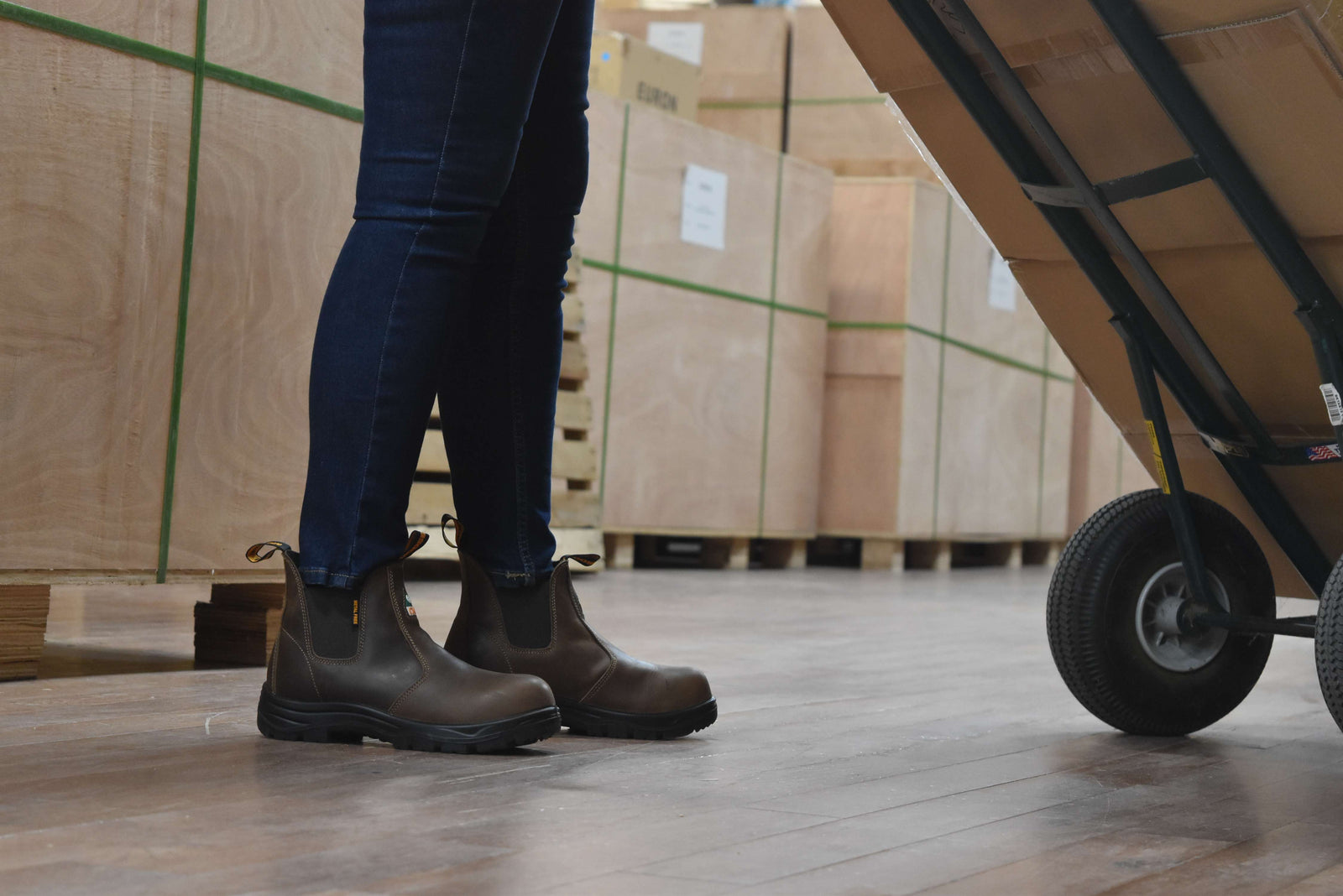
Light composite toe. Slip resistance for polished concrete. Supportive footbed for long standing. Stable midfoot for repetitive steps. Breathable upper.

Landscaping & Groundskeeping
Green triangle. Composite toe. Deep-lug traction for grass and soil. Water-resistant leather. Durable upper for tool abrasion.

Utilities & Maintenance
Composite toe. Puncture protection. Electrical hazard rating. Aggressive traction for ladders and metal platforms. Secure ankle support.

Transportation & Delivery
Light composite toe. Flexible outsole. Slip resistance for sidewalks and entrances. Breathable build. Soft cushioning for daily mileage.

Myth 1: Composite toes are weaker than steel
Composite toe caps pass the same impact and compression tests as steel. CSA and ASTM standards require equal performance across materials.
Read more
Myth 2: All Canadian jobsites require CSA
Many Canadian workplaces use CSA rules, but each site sets its own safety requirements, so safety shoe standards can differ widely.
Read more
Myth 3: Heavier boots provide more protection
Safety standards measure protection, not weight. Toe caps, plates, and outsoles pass tests regardless of mass.
Read more
Collapsible content
Are MooseLog work boots CSA approved?
Yes, all MooseLog work boots meet CSA Z195-14 standards, ensuring protection against impact, compression, and puncture hazards in Canadian workplaces.
Learn more about CSA Group
Are MooseLog safety boots suitable for long work shifts?
Yes, our boots are designed with lightweight materials and cushioned midsoles to provide all-day comfort and reduce foot fatigue.
Who are MooseLog boots made for?
Our CSA and ASTM certified boots are built for tradespeople across construction, logistics, electrical, landscaping, and maintenance industries.
Are work boots required by Canadian safety regulations?
Yes, in many industries such as construction, manufacturing, and warehousing, CSA-approved work boots are required to meet occupational safety standards in Canada.
What’s the difference between safety boots and regular work boots?
Safety boots are a type of work boot that includes features like steel toe or composite toe caps, puncture-resistant soles, and electrical hazard protection, while regular work boots may not offer certified protection.
How do I choose the right work boots for my job?
Choosing the right work boots depends on your work environment. Look for features like CSA or ASTM certification, slip resistance, waterproofing, insulation, or metal-free materials for airport or electrical work.
Can work boots be both protective and lightweight?
Yes, modern work boots can offer full protection while staying lightweight. MooseLog’s composite toe and metal-free designs reduce weight without compromising safety.
Shop CSA approved safety shoes in Manitoba designed for protection, comfort, and durability. Our collection meets Canadian safety standards, offering steel toe, composite toe, and slip-resistant options ideal for construction, agriculture, manufacturing, and trade work. Built to perform in Manitoba’s challenging work environments, our safety shoes feature cushioned insoles, rugged outsoles, and weather-resistant materials. Whether you work in Winnipeg, Brandon, or rural communities, find trusted CSA approved footwear that keeps you safe and comfortable. Explore men's and women's safety shoes trusted by workers across Manitoba.
Explore CSA & ASTM certified work boots built for comfort, safety, and style. Fast delivery and trusted support across North America.
