


-
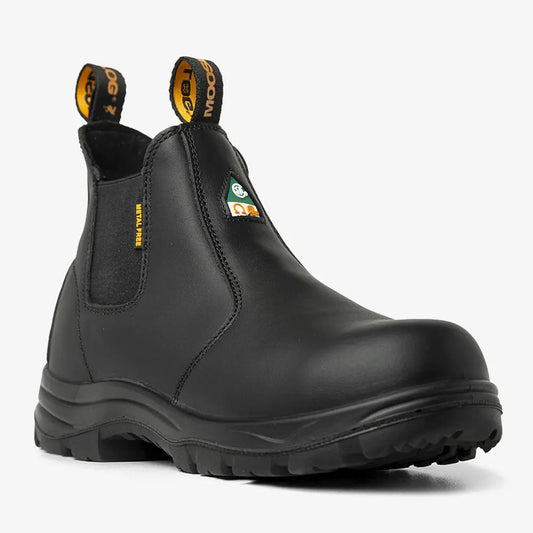
Bottes de sécurité Chelsea pour homme, embout composite ASTM et CSA - Modèle 5666
Prix habituel $169.99 CADPrix habituel Prix soldé $169.99 CADPrix unitaire par -
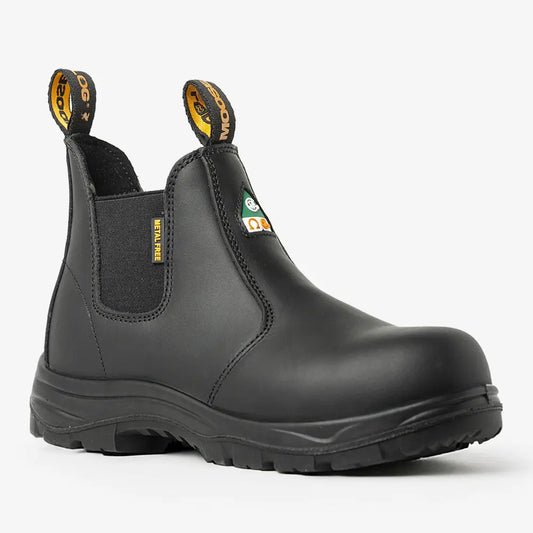
Bottes de sécurité Chelsea pour femmes, embout composite ASTM et CSA - Modèle 666
Prix habituel $169.99 CADPrix habituel Prix soldé $169.99 CADPrix unitaire par -
Bottes de sécurité Chelsea pour femmes, embout composite ASTM et CSA - Modèle 666
Prix habituel $169.99 CADPrix habituel Prix soldé $169.99 CADPrix unitaire par -
Bottes de sécurité Chelsea pour homme, embout composite ASTM et CSA - Modèle 5666
Prix habituel $169.99 CADPrix habituel Prix soldé $169.99 CADPrix unitaire par


Fit and Comfort
Fit affects balance, stability and energy levels during the day. A good boot follows the natural shape of your foot and gives you space at the toes to prevent pressure buildup. Measure both feet at the end of the day to get an accurate size. A proper heel lock keeps your foot from sliding and reduces friction. Look for cushioning that absorbs impact and spreads load across the entire foot. Midsole support, arch structure and lining materials also influence comfort during long shifts. A well fitted boot lowers strain on your knees and back and keeps your footing steady on the job.
Job Environment and Safety Needs
Your work environment shapes the protection you need. Construction exposes you to nails, concrete and sharp edges. Warehousing increases walking distance and contact with smooth floors. Delivery work adds constant movement and fast step changes. Trades that work with electrical equipment require electrical hazard protection. Study your surroundings to understand what touches the bottom of your boot, what sits at ground level and what forces act on your feet. This helps you choose the right toe protection, puncture resistance and outsole pattern. A clear view of your daily conditions guides every decision about design, grip and durability.
Safety Standards and Material Quality
Safety certifications give you a verified measure of protection. CSA Z195 and ASTM F2413 list the requirements for impact resistance, compression strength, electrical hazard defence and puncture protection. These markings confirm that the boot passed controlled laboratory tests. Review your workplace guidelines to know which standard applies to you. Once you confirm safety requirements, look at the materials that support long term performance. Full grain leather holds shape and handles abrasion. Reinforced stitching reduces stress at flex points. Outsole compounds influence grip, heat tolerance and wear rate. Strong materials keep the boot stable and dependable through demanding work.
Core safety features protect you from the forces you face on the job. Each feature responds to a specific hazard. Understanding these features helps you choose a boot that supports your tasks and meets workplace requirements.
Impact and Compression Protection
Impact protection shields your toes from falling objects. Compression protection adds strength against heavy pressure from equipment or stacked materials. These protections follow the performance levels listed in CSA Z195 and ASTM F2413. A certified toe cap absorbs force and keeps the forefoot safe when weight shifts without warning. This feature is essential on construction sites, warehouses and any workplace that stores or moves heavy items.
Puncture Resistant Plates
A puncture resistant plate sits between the outsole and the footbed. It spreads the force of sharp objects so nails, rebar and wire cannot penetrate the bottom of the boot. This protects you on framing sites, renovation projects and demolition work. A strong plate maintains flexibility while blocking ground hazards. This feature supports workers who step on unstable surfaces or move through areas with debris.
Electrical Hazard Defence
Electrical hazard protection reduces the risk of electric shock when you work around live circuits, power tools and equipment. The outsole and the construction of the boot limit the flow of electricity when contact occurs. Many trades require this protection to meet job site rules. Electricians, maintenance workers and installation crews rely on this feature to keep ground contact safe during daily tasks.
Slip Resistant Outsoles
Slip resistance comes from the tread pattern and the rubber compound. A well designed outsole grips smooth floors, wet surfaces and uneven ground. Deep channels clear debris and maintain traction through repeated movement. This feature supports workers in warehouses, delivery routes and construction sites. Consistent traction reduces falls and improves stability when you carry loads or climb steps.
Heat and Abrasion Performance
Heat resistance protects the outsole when you work on hot surfaces or near equipment that generates high temperatures. Abrasion resistance keeps the upper material intact when it rubs against concrete, steel or rough ground. These qualities extend the life of the boot and maintain reliability in demanding environments. Workers in manufacturing, utility work and heavy trades depend on these protections to keep performance stable.

Construction and Skilled Trades
CSA & ASTM certification. Strong toe protection. Puncture resistant midsole. Deep traction. Heat resistant outsole. Supportive ankle structure.

Warehousing and Distribution
CSA & ASTM certification. Lightweight boot. Slip resistant outsole. Cushioned midsole. Breathable leather upper. Stable heel structure.

Outdoor Labour and Grounds Work
CSA & ASTM certification. Protective toe cap. Aggressive tread. Water resistant leather. Durable upper. Firm heel support.

Utilities, Power and Building Services
CSA & ASTM certification. EH rated. Composite toe protection. Traction pattern outsole. Puncture resistance. Secure ankle structure.

Mobile Service and On-Site Support
CSA & ASTM certification. Lightweight toe protection. Flexible outsole. Strong traction. Breathable materials. Cushioning.
Standing in a store with a wall of boots can feel overwhelming. Each pair looks similar until you know what details matter. A quick in-store checklist helps you pick the right boot with confidence and avoids choices that fail after a few shifts.
Check the toe cap label
Look for CSA or ASTM markings. The label tells you exactly what protection level the boot provides. Match this to your job site requirements before you consider anything else.
Check the outsole pattern
Grip the boot and look at the tread. Deep, spaced lugs work on soil and gravel. Flatter patterns suit concrete. Soft rubber helps on metal. Pick the tread that matches the surfaces you walk on every day.
Flex the forefoot
Bend the front of the boot with your hands. A firm flex supports ladder work and heavy loads. A moderate flex suits warehouse walking and service calls. Extreme stiffness leads to foot fatigue.
Press the heel counter
The heel should feel solid when you press it. A strong heel counter keeps your foot centred during turns, lifts and uneven ground. A weak one causes wobbling or early ankle strain.
Check the insole support
Pull out the insole if the store allows it. Look for a stable arch and even cushioning. If the insole collapses when pressed, it will flatten after a few shifts.
Walk a short loop
Take 20–30 steps on different surfaces inside the store. Pay attention to heel strike, forefoot pressure and side-to-side stability. Good boots feel steady and balanced from the first steps.
Check leather structure
Hold the boot at the ankle and midfoot. The leather should feel supportive with minimal collapse. Structured leather handles tools, bending and daily wear more effectively.
These simple checks give you a clear sense of build quality, stability and job suitability. You walk out with a pair that fits your work and avoids the guesswork most buyers struggle with.
A proper fit keeps your feet stable through long shifts and reduces pressure on the toes, heel and midfoot. Work boots should hold the heel in place, give your toes room to move and keep the arch supported during daily movement. Fit affects comfort, posture and how you handle concrete, soil or uneven ground.
Online shopping makes sizing harder to judge from photos alone, so you need a clear starting point before ordering. Measure your foot length and compare it with the size guide on the MooseLog website. This helps you narrow down the correct size, especially if you sit between two options or switch between brands. Composite toe shapes, leather thickness and outsole design all influence interior space, and these details vary from one boot to another. MooseLog also offers free returns, giving you the ability to confirm fit at home without any risk.
Socks influence how a boot feels. Thick work socks create a fuller fit in the toe box and heel. Thin socks create more movement. Use the same type of sock you wear on the job when checking fit. Adjust insoles only after you confirm the base fit because they change arch height and heel position.
A proper fit supports your feet through full shifts and helps the boot maintain structure over time. Workers who take a moment to measure, match the size guide and check fit avoid pressure points and unnecessary returns.
Many workplaces in Canada and the United States expect workers to wear boots that meet CSA or ASTM safety standards. These standards confirm that the toe cap, outsole, plate and electrical protection have passed formal testing. Industries that handle tools, materials, machinery or uneven surfaces treat certified boots as required protective equipment.
CSA Z195 applies to Canadian job sites. Mechanical, utility, construction, warehousing and outdoor maintenance roles follow this standard when employers outline mandatory footwear. The label marks the level of toe impact protection, puncture resistance and electrical features. Workers who move through mixed terrain or handle heavy loads rely on these ratings to match hazards they face each shift. A detailed explanation of CSA markings and their purpose is available in this guide to the importance of wearing CSA approved work boots in Canada.
ASTM F2413 applies across the United States and is also used by many Canadian employers. It defines impact, compression, puncture, electrical hazard and metatarsal protection. Companies reference ASTM ratings when job tasks include lifting materials, working on concrete floors, stepping through debris or performing service work in confined areas.
Roles that involve driving, inspections or office support may not require certified boots. Roles that involve lifts, ladders, tools, machinery, cold surfaces or outdoor ground conditions benefit from certified protection because the rating confirms the boot has passed objective tests. Employers who follow CSA or ASTM guidelines set clear expectations to reduce injuries, support compliance and maintain safe movement through all work areas.


Bottes de travail confortables
Les bottes de travail MooseLog sont conçues pour le confort sans compromettre la sécurité. Dotées de matériaux légers, de semelles intermédiaires amortissantes et de semelles extérieures en caoutchouc antidérapantes, elles réduisent la fatigue pendant les longues journées de travail. Chaque paire est dotée de deux semelles intérieures pour un ajustement personnalisé. Si vous recherchez des bottes de travail confortables in Bismarck résistantes au travail, MooseLog est fait pour vous.

Bottes de travail légères
Les bottes de travail MooseLog sont conçues pour être légères sans compromettre la protection. Dotées d'embouts composites sans métal et de matériaux avancés, elles sont 30 % plus légères que les bottes à embout d'acier et réduisent la tension sur vos pieds et vos jambes. Que vous soyez debout toute la journée ou que vous vous déplaciez rapidement sur le chantier, nos bottes de travail légères vous garantissent confort in Bismarck efficacité.
Section FAQ
Questions fréquemment posées
Les bottes de travail MooseLog sont-elles approuvées CSA ?
Oui, toutes les bottes de travail MooseLog répondent aux normes CSA Z195-14, garantissant une protection contre les risques d’impact, de compression et de perforation dans les lieux de travail canadiens.
En savoir plus surGroupe CSA
Les bottes MooseLog sont-elles conformes aux normes de sécurité ASTM ?
Oui, nos bottes de travail répondent aux normes ASTM F2413-24 en matière de résistance aux chocs, de compression et de protection contre les risques électriques sur les chantiers américains.
En savoir plus surASTM International
Quelle est la différence entre les bottes à embout composite et les bottes à embout en acier ?
Les bottes à embout en acier ont un embout métallique pour la protection, tandis que les bottes à embout composite sont sans métal, 30 % plus légères et ne déclenchent pas les détecteurs de métaux.
Les bottes de sécurité MooseLog sont-elles adaptées aux longues journées de travail ?
Oui, nos bottes sont conçues avec des matériaux légers et des semelles intermédiaires coussinées pour offrir un confort tout au long de la journée et réduire la fatigue des pieds.
À qui s'adressent les bottes MooseLog ?
Nos bottes certifiées CSA et ASTM sont conçues pour les professionnels des secteurs de la construction, de la logistique, de l'électricité, de l'aménagement paysager et de l'entretien.
Quelle est la politique d'expédition ?
Nous offrons la livraison standard gratuite dans la plupart des provinces du Canada et des États-Unis continentaux.
Consultez plus de détails sur :https://mooselog.com/pages/shipping-return-policy
Comment retourner/échanger ?
-Vous pouvez retourner la plupart des commandes en ligne dans les 30 jours calendaires suivant la date de réception. -Seuls les articles achetés directement auprès dehttp://mooselog.compeut être retourné à MooseLog.
- L'échange n'est pas disponible actuellement.
Veuillez visiter notre boutique en ligne pour plus de détails sur les retours/échanges à l'adresse suivante :https://mooselog.com/pages/shipping-return-policy
Quelle est la politique de garantie ?
Les produits MooseLog sont garantis contre tout défaut de matériau et de fabrication pendant 6 mois à compter de la date d'achat.
Consultez plus de détails surhttps://mooselog.com/pages/warranty
Découvrez nos bottes de sécurité certifiées CSA et ASTM. Assistance en français disponible par clavardage. Livraison rapide partout au Canada et aux États-Unis.
