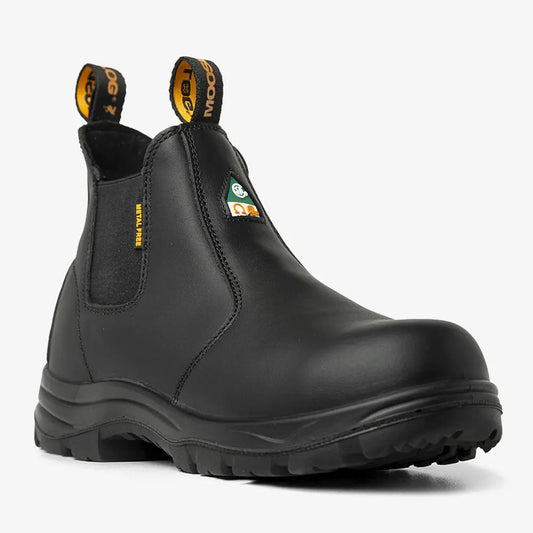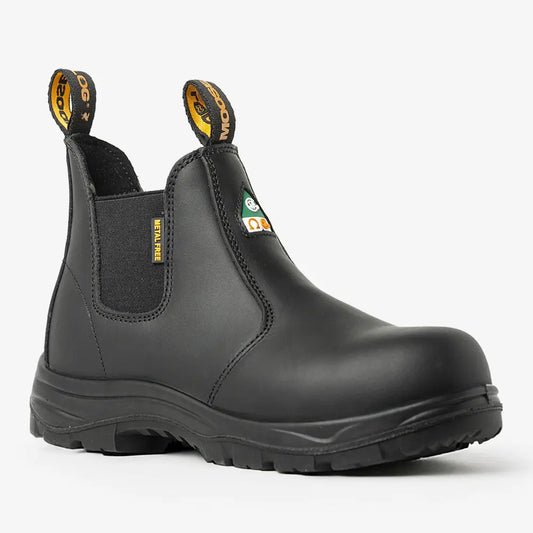


Low-Top Work Shoes: When to Wear Them and When You Shouldn’t
Low-Top Work Shoes Are Gaining Popularity for a Reason
If you’ve ever worked a full shift on concrete, you already know the problem.
Heavy boots slow you down. Your legs feel it by hour six. By the end of the day, it’s not even your job that’s tiring you out, it’s what you’re wearing.
That’s exactly why more workers are switching to low-top work shoes.
They cut weight. They free up movement. They feel closer to regular footwear.
But here’s the part most blogs skip:
They are not for every job.
And if you pick the wrong pair for the wrong environment, you’ll feel it fast.
What Low-Top Work Shoes Actually Are
Low-top work shoes sit below the ankle and focus on mobility over coverage.
They’re built for the same goal as work boots, protect your feet, but they approach it differently.
Typical features include:
- Slip-resistant outsoles for smooth or polished floors
- Reinforced toe options in some models
- Lightweight midsoles to reduce fatigue
- Durable uppers, often leather or abrasion-resistant synthetics
The biggest difference is simple.
Less material. Less weight. More movement.
Where Low-Top Work Shoes Perform Best
This is where they shine.
If your job involves constant movement on predictable surfaces, low-top work shoes can make your day easier.
You’ll see them most in:
- Warehouses and distribution centres
- Delivery and logistics roles
- Indoor technicians and maintenance crews
- Retail environments with long standing hours
According to workplace safety data, a large portion of injuries in these environments come from slips and fatigue, not heavy impact.
That’s why traction and weight matter more than height.
Why Workers Switch From Boots to Low-Top Work Shoes
Nobody switches for no reason.
It usually comes down to one thing.
Energy.
1. Less Weight Over Long Shifts
Every extra gram adds up when you’re walking 15,000 to 25,000 steps a day.
Lighter footwear reduces strain on your legs and lower back over time.
2. Better Movement in Tight Spaces
If you’re climbing ladders, stepping in and out of vehicles, or moving fast in aisles, ankle restriction becomes noticeable.
Low-top work shoes remove that friction.
3. Feels Closer to Regular Footwear
A lot of workers don’t want to feel like they’re dragging boots around all day.
Low-top designs feel more natural, especially indoors.
Where Low-Top Work Shoes Fall Short
This is the part most blogs avoid.
Low-top work shoes are not built for everything.
You should stick with boots if your job involves:
- Uneven ground or unstable terrain
- Heavy debris or sharp objects on site
- High-impact environments
- Situations where ankle support matters
There’s a reason construction sites still lean heavily toward full boots.
Coverage matters when the environment gets unpredictable.
Low-Top Work Shoes vs Work Boots
This is what most people are actually trying to figure out.
Here’s the real difference:
| Factor | Low-Top Work Shoes | Work Boots |
|---|---|---|
| Weight | Lighter | Heavier |
| Mobility | Higher | More restricted |
| Ankle Protection | Minimal | Strong |
| Best Use | Indoor, flat surfaces | Outdoor, high-risk environments |
If your job is controlled and fast-paced, low-top work shoes make sense.
If your job is rough, uneven, or unpredictable, boots still win.
How to Choose the Right Low-Top Work Shoes
Don’t overcomplicate this.
Focus on what actually affects your day.
Slip Resistance
If you’re on smooth or wet floors, this matters more than anything.
Weight
If you’re constantly moving, lighter shoes reduce fatigue over time.
Material
Leather gives durability.
Synthetic materials can improve breathability.
Fit
A secure fit prevents movement inside the shoe, which leads to discomfort over long shifts.
Are Low-Top Work Shoes Safe?
This depends entirely on your job requirements.
Some low-top work shoes meet safety standards like:
- ASTM International (ASTM F2413)
- Canadian Standards Association (CSA Z195)
If your workplace requires certified protection, always check compliance first.
If it doesn’t, comfort and traction usually become the deciding factors.
If You’re Going Low-Top, Get It Right
If your job keeps you moving all day on hard, flat surfaces, low-top work shoes are the better call.
You’ll feel the difference by the end of your shift. Less weight on your feet. Less drag when you move. More control when you’re walking fast or working in tight spaces.
That’s exactly where a well-built low-top matters.

The MooseLog AllShift Work Shoe was designed around that kind of work.
- Full grain leather upper that holds up over time
- Lightweight build that reduces fatigue across long shifts
- Clean, professional look that works on and off the job
No extra bulk. No unnecessary height. Just a work shoe that matches how you actually move during the day.
If you’ve been thinking about switching out of heavy boots, this is where it starts.
Quick Answers (FAQ)
Are low-top work shoes good for warehouse jobs?
Yes. They are widely used in warehouses where surfaces are flat and movement is constant.
Do low-top work shoes have safety toes?
Some models do. Always check product specifications.
Are they better than work boots?
They are better for certain jobs. Boots remain the better choice for high-risk environments.
Can you wear low-top work shoes on construction sites?
In most cases, full boots are still required due to safety risks.
Do low-top work shoes reduce fatigue?
Yes. Lower weight can reduce strain during long shifts on hard surfaces.