


-
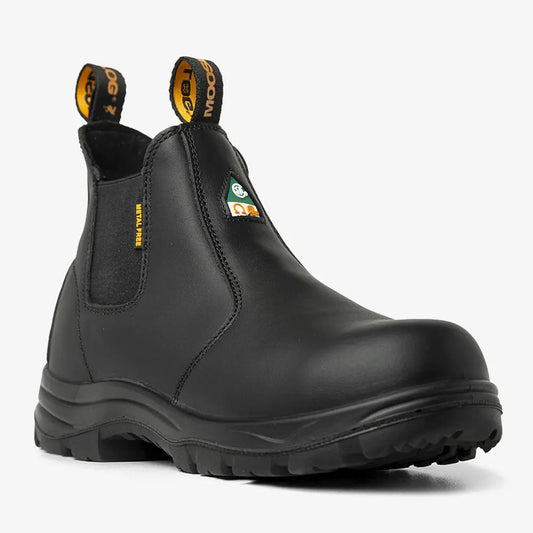
Bottes de travail Chelsea pour hommes, embout composite, conformes aux normes CSA et ASTM - Noir bois
Prix habituel $79.99 USDPrix habituel $129.99 USD Prix soldé $79.99 USDPrix unitaire par

-
Bottes de sécurité Chelsea pour homme, embout composite ASTM et CSA - Modèle 5666
Prix habituel $79.99 USDPrix habituel $129.99 USD Prix soldé $79.99 USDPrix unitaire par
-
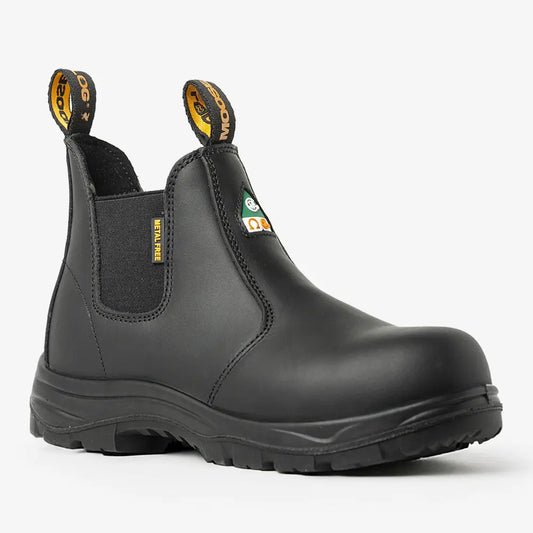
Bottes de travail Chelsea pour femmes, embout composite, conformes aux normes CSA et ASTM - Noir prairie
Prix habituel $79.99 USDPrix habituel $129.99 USD Prix soldé $79.99 USDPrix unitaire par
-
Bottes de sécurité Chelsea pour femmes, embout composite ASTM et CSA - Modèle 666
Prix habituel $79.99 USDPrix habituel $129.99 USD Prix soldé $79.99 USDPrix unitaire par
-
Men's CSA ASTM Composite Toe Chelsea Work Boots - Timber II Rustic Brown
Prix habituel $129.99 USDPrix habituel Prix soldé $129.99 USDPrix unitaire par

-
Women's CSA ASTM Composite Toe Chelsea Work Boots - Timber II Black
Prix habituel $129.99 USDPrix habituel Prix soldé $129.99 USDPrix unitaire par
-
Women's CSA ASTM Composite Toe Chelsea Work Boots - Timber II Brown
Prix habituel $129.99 USDPrix habituel Prix soldé $129.99 USDPrix unitaire par
-
Women's CSA ASTM Composite Toe Chelsea Work Boots - Timber II Rustic Brown
Prix habituel $129.99 USDPrix habituel Prix soldé $129.99 USDPrix unitaire par




Women's bestsellers are coming soon.

Le cadeau pratique pour lui
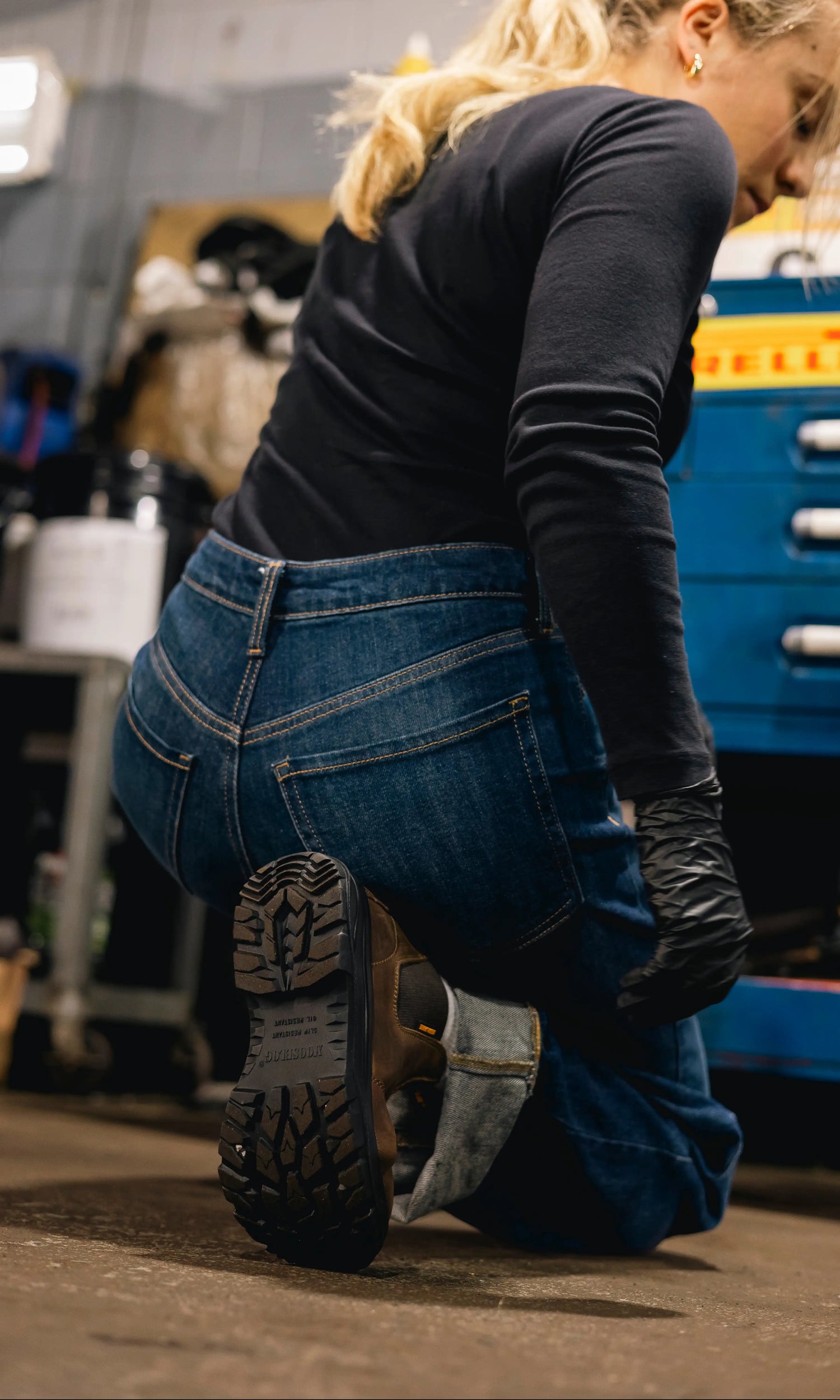
Un cadeau pratique pour les professionnels. Chaque paire est conçue pour répondre aux normes les plus exigeantes, notamment CSA Z195-14 et ASTM F2413-24. Des chaussures de sécurité qui résistent aux longues journées de travail, aux matins froids et aux efforts intenses.
Une protection fiable qui améliore le confort du début à la fin.

Profitez de 20 % de réduction cette saison
Profitez de 20 % de réduction cette saison dans le cadre de nos prix spéciaux fêtes. L'offre est valable uniquement sur une sélection d'articles et pour une durée limitée. Faites vos achats dès maintenant pour être sûr(e) de trouver les tailles et les couleurs les plus demandées chaque hiver. Utilisez le code : holiday lors de votre commande !

Apprenez-en davantage sur les chaussures de sécurité homologuées CSA
Le guide CSA détaille toutes les exigences applicables aux chaussures de sécurité certifiées au Canada. Il aborde les essais, les symboles, la construction et les niveaux de protection utilisés dans différents secteurs d'activité. Les lecteurs s'y réfèrent comme à une ressource claire pour choisir l'équipement approprié.
Soutenu par la certification
Questions fréquemment posées
Why MooseLog Boots?
MooseLog is a Toronto-based safety footwear company focused solely on CSA and ASTM certified boots for North American tradesmen. Everything we make is shaped around the demands of the trade. Strong protection, all-day comfort, and reliable grip.
Each pair meets strict standards for impact, compression, electrical hazard, and puncture resistance. Features like the BigZone™ composite toe, Dyna-Flex® puncture plate, and SafeTread™ slip-resistant outsole are jobsite tested by local tradesmen.
What are CSA approved work boots?
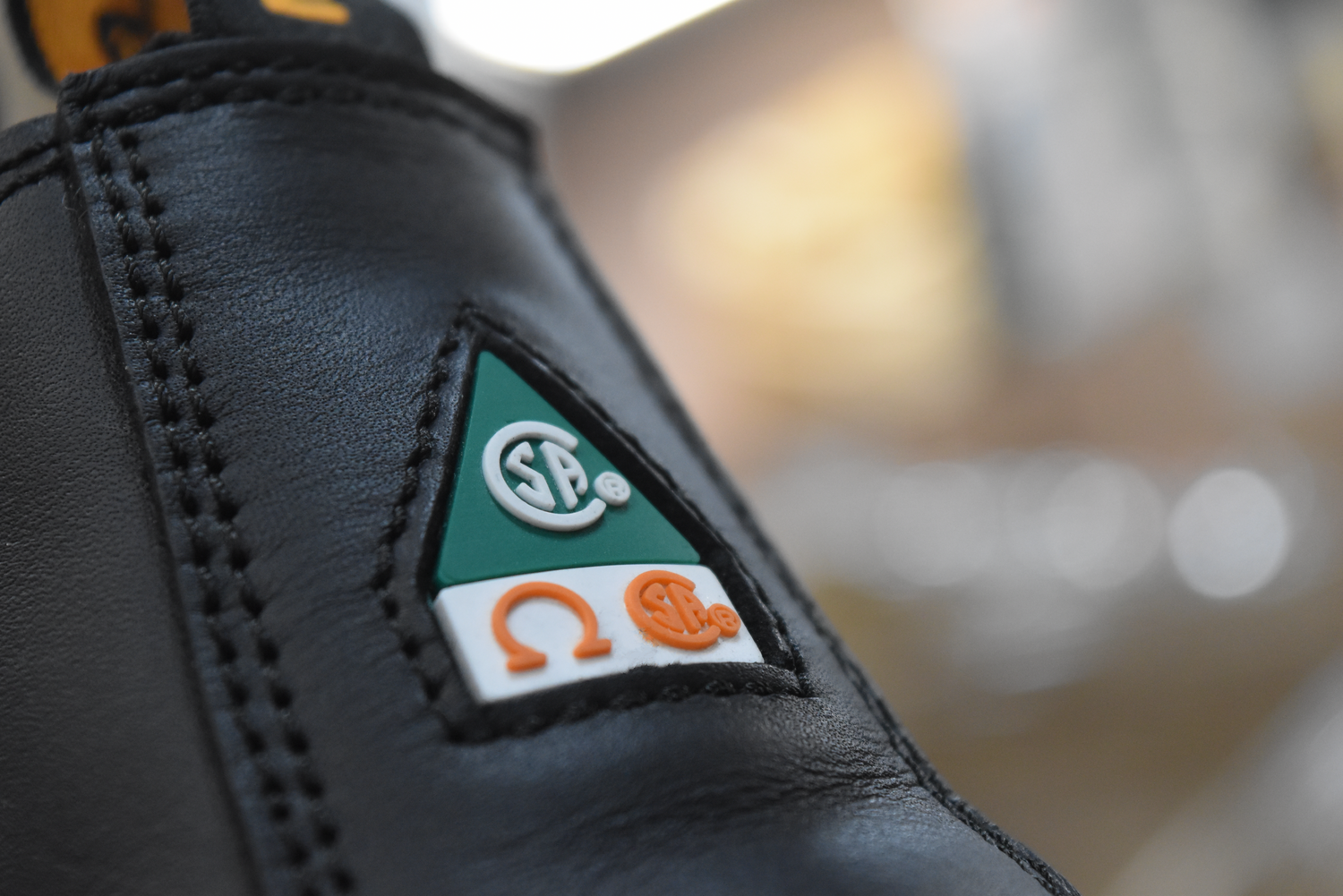
CSA approved work boots meet the Canadian Standards Association (CSA Z195-14) requirements for workplace safety. To earn CSA approval, a boot must pass lab tests for impact resistance, compression strength, and puncture protection. The green triangle on the label identifies boots that meet Grade 1 safety standards, the highest level recognized for industrial use in Canada.
What does ASTM mean for work boots?
ASTM stands for the American Society for Testing and Materials. The standard ASTM F2413-24 sets the safety requirements for toe impact, compression, electrical hazard protection, and puncture resistance. Work boots that meet this standard are recognized by U.S. job sites and OSHA regulations.
What’s the difference between composite toe vs steel toe boots?
Steel toes are metal, super tough, and often cheaper but heavy, conduct heat/cold/electricity.
Composite toes use lightweight, non-metal materials like fiberglass, meeting the same CSA and ASTM safety standards (impact, compression). They’re lighter (less leg fatigue), don’t conduct electricity (safer for electricians), and metal-detector-friendly.
What are the OSHA requirements for work boots?
OSHA (Occupational Safety and Health Administration) requires workers to wear protective footwear when exposed to hazards like heavy objects, sharp materials, or live electricity. Acceptable safety footwear must comply with ASTM F2413 standards, covering impact, compression, puncture, and electrical protection.
What are composite toe boots?
An alternative to the traditional steel toe boot, composite toe boots use non-metal materials such as fibreglass, carbon fibre, or Kevlar to protect the toes from impact and compression. They meet the same safety standards while remaining lighter, non-conductive, and temperature neutral, making them suitable for electrical work or cold environments.
What’s the green triangle on work boots?
The green triangle is a CSA safety mark that tells you the boot meets Grade 1 protection, the highest level for impact and puncture resistance in Canada. It means the toe cap has passed a 125 joule impact test and the sole includes a puncture-resistant plate tested to 1,200 newtons to protect against nails or sharp objects.
Can work boots be comfortable?
Yes. Comfort depends on design, materials, and how weight is distributed through the midsole and insole.
Safety boots like ours use polyurethane midsoles for shock absorption and high-rebound insoles to reduce pressure under the heel and forefoot. A proper fit, breathable lining, and flexible outsole make long shifts easier on the feet without reducing protection.
Are composite toe boots good for standing all day?
Yes. Composite toe boots reduce fatigue because they’re lighter than steel and non-conductive to heat or cold.
Weight reduction lowers strain on the legs, knees, and lower back during long shifts. When paired with a supportive insole and shock-absorbing midsole, they provide consistent comfort for workers who stand or walk for extended hours.
Découvrez nos bottes de sécurité certifiées CSA et ASTM. Assistance en français disponible par clavardage. Livraison rapide partout au Canada et aux États-Unis.
