

Why Most Work Boots Feel Heavy and What to Look for Instead
Heavy work boots are a common complaint across construction, warehousing, utilities, and inspection work. After a full shift, the weight shows up as tired legs, slower movement, and lingering fatigue. Many people assume this is unavoidable because safety standards require heavy materials.
That assumption is incorrect.
Boot weight is influenced by design decisions made long before certification testing. Understanding where weight comes from makes it easier to evaluate safer, lighter options without compromising compliance or jobsite requirements.
Weight Is a Design Choice
It's safety standards that evaluate performance, not how bulky it looks. Impact resistance, compression resistance, puncture protection, and electrical hazard protection are measured by test results. Weight itself is not a requirement.
Organizations such as CSA Group and ASTM International certify footwear based on how it performs under controlled conditions. A boot can meet these standards using modern lightweight materials or older heavy components. Both can pass. The difference lies in engineering priorities.
Heavier boots usually reflect legacy construction methods rather than stronger protection.
Where Boot Weight Actually Comes From

Most of the weight in a work boot comes from a small number of components.
Toe protection
Steel toe caps add significant mass at the front of the boot. This placement matters. Weight at the toe increases energy use with every step because it sits farthest from the ankle. Composite toe caps achieve the same impact and compression ratings with less weight and more even distribution.
Puncture protection
Steel puncture plates run the full length of the sole and add rigid mass underfoot. Composite puncture plates meet certification requirements while allowing controlled flex and reduced weight. This difference becomes noticeable during long shifts and frequent walking.
Outsole compounds
Dense rubber outsoles increase durability but also increase weight. Older designs rely on thickness rather than material efficiency. Modern slip resistant compounds achieve grip and abrasion resistance with less bulk.
Layered construction
Multiple layers of padding, reinforcement, and overlays increase mass without always improving performance. Many heavy boots include redundant materials added over time rather than reengineered from the ground up.
Metal hardware
Steel shanks, eyelets, and other hardware contribute incremental weight. Individually these parts seem minor. Together they add up across the entire boot.
How Weight Affects the Body Over a Shift
Boot weight compounds fatigue. Each step requires additional effort to lift and move heavier footwear. Over thousands of steps, that effort transfers stress through the ankles, knees, hips, and lower back.
Heavier boots also reduce responsiveness. On ladders, uneven ground, and stairs, extra mass affects balance and movement precision. This has implications for safety, productivity, and end of shift comfort.
Weight influences how a boot feels at hour ten, not hour one.
Safety Compliance Does Not Require Heavy Boots
A lighter boot does not mean reduced protection. Certification testing evaluates outcomes. If a boot meets the required thresholds, it passes.
Composite toe caps, composite puncture plates, and engineered outsole compounds are widely used in certified footwear. These materials meet CSA and ASTM requirements while reducing unnecessary mass.
Weight reduction reflects better material science and more intentional engineering.
What to Look for When Choosing a Lighter Work Boot

Evaluating weight requires looking beyond marketing language.
Composite toe construction
Composite toes reduce front loaded weight and avoid cold transfer in winter conditions. They are metal free and widely accepted across Canadian jobsites.
Engineered puncture protection
Modern composite plates protect against underfoot hazards while allowing natural foot movement. This improves walkability and reduces fatigue.
Efficient outsole design
Slip resistance and durability matter. Look for outsoles designed for traction without excessive thickness.
Simplified upper construction
Targeted reinforcement performs better than layered padding. Clean upper designs reduce weight and improve flexibility.
Published boot weight
Brands that prioritize lightweight construction often disclose per boot weight. This is a measurable specification that helps compare options objectively.
Who Benefits Most From Lighter Work Boots

Weight matters across roles, though the impact varies.
Engineers, project managers, and inspectors often wear work boots during site visits rather than continuous labour. Walking large sites, climbing stairs, and standing during inspections still place demands on footwear.
Trades and warehouse workers experience the effect more intensely due to constant movement. Over time, reduced boot weight supports consistent pace and less end of shift fatigue.
In both cases, lighter footwear supports performance without reducing compliance.
Features That Add Weight Without Solving Problems
Some features increase bulk without delivering long term value.
- Excessive padding that compresses quickly
- Thick midsoles without energy return
- Decorative overlays and stitching
- Overly rigid uppers that restrict movement
These elements often look reassuring on a shelf but contribute little to daily wearability.
How to Evaluate a Boot Before You Buy

Before committing to a pair, check for:
- CSA and ASTM certification markings
- Toe material type
- Puncture protection type
- Slip resistance rating
- Per boot weight when available
If you want a broader framework for evaluating safety footwear across different jobsites and conditions, our 2026 work boot buying guide breaks down the key factors in detail.
Final Thoughts
When weight is treated as a performance factor, boots support mobility, efficiency, and long term comfort. Understanding where weight comes from helps you choose footwear that works with your job rather than against it.
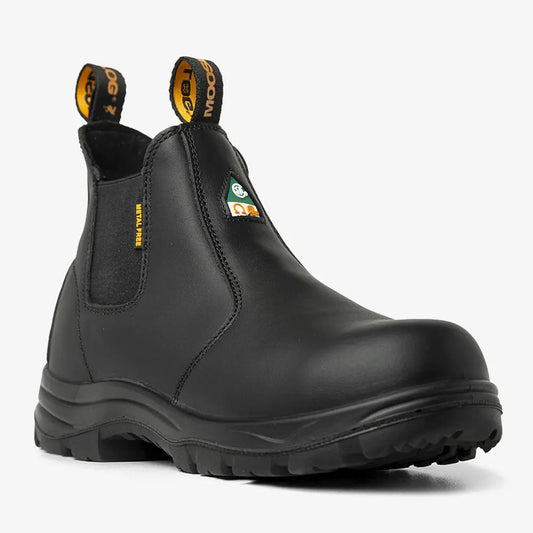
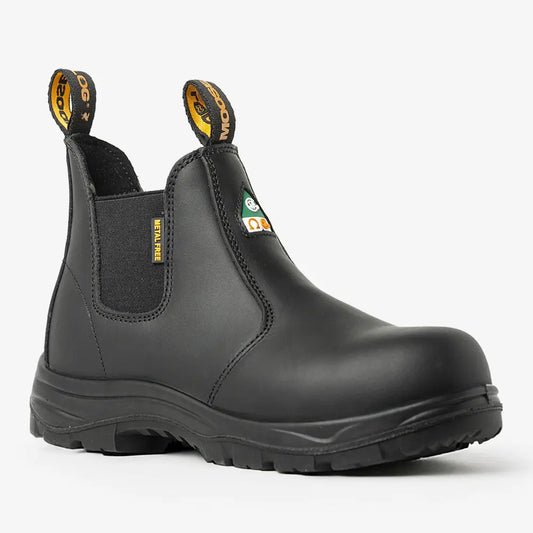
If you want to see how these principles are applied in a real product, take a look at the Timber work boot from MooseLog. It is built around certified composite protection and material efficiency, with light weight treated as a priority.