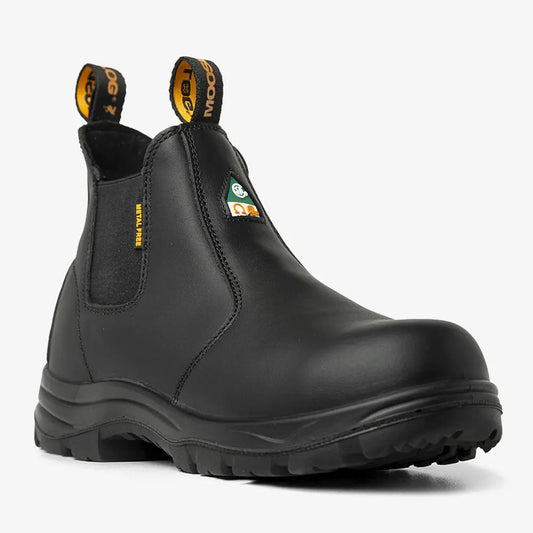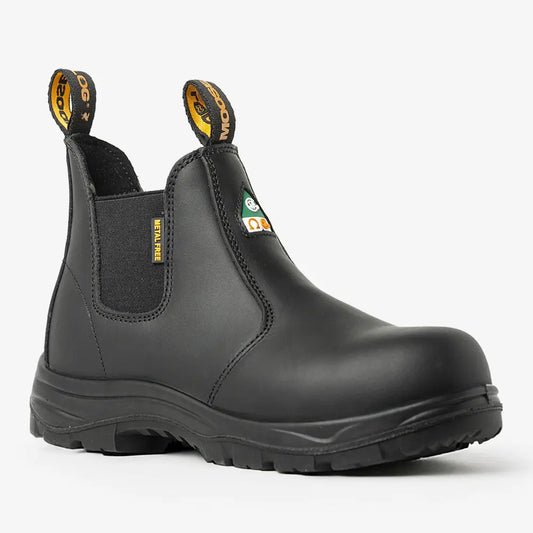


Why Telecom and Broadband Field Technicians Wear Safety Work Boots
Telecom and broadband field technicians rarely work behind desks. Their day involves outdoor sites, live equipment, uneven ground, and safety regulated environments. Even though the job title sounds technical, the work itself is physical and field based.
This is why safety work boots are standard equipment for technicians working in telecommunications, broadband, fiber, and utility adjacent roles. From transmission sites to roadside cabinets, proper footwear protects against injury, improves stability, and ensures compliance with company safety policies.
What does a telecom field technician actually do day to day?
A typical day involves driving between multiple job sites. These include rural customer properties, fiber huts, roadside cabinets, transmission towers, and utility access points. Many of these locations are unpaved and exposed to weather year round.
Technicians walk across gravel, mud, wet grass, and uneven ground regularly. The job requires constant movement between vehicles, sites, ladders, and enclosures. Standing, kneeling, climbing, and lifting are all part of the workday.
Casual footwear does not hold up in these conditions. Proper work boots provide traction, stability, and support throughout long shifts.
Why do telecom technicians need safety toe boots?
Telecom infrastructure often sits near powered equipment. Fiber cabinets, battery backups, generators, and shared utility spaces introduce real electrical and impact risks.
Safety toe boots protect against dropped tools, tight workspaces, and accidental contact during field repairs. Many employers require certified safety footwear as part of their standard PPE policy.
Wearing non compliant footwear can result in being removed from a site or written up during inspections.
Are telecom and broadband jobs considered safety regulated work?
Yes. Telecom field work follows utility style safety standards. Even though the work is technical, it is still regulated due to electrical exposure, climbing tasks, and proximity to vehicles and equipment.
Most companies enforce footwear rules during audits, training, and site inspections. Approved work boots help technicians stay compliant without slowing down productivity.
Why is ladder and climbing work common in telecom jobs?
Technicians regularly access poles, platforms, cabinets, and elevated enclosures. Even when bucket trucks are available, ladder use is still common.
Stable footing matters when working at height. Slips or missteps can lead to serious injury. Work boots provide structured ankle support, slip resistant outsoles, and toe protection during elevated tasks.
Why do telecom technicians work in all weather conditions?
Telecom infrastructure requires year round maintenance. Service calls continue in rain, heat, cold mornings, and winter conditions.
The ground often stays colder than the air, which increases fatigue during outdoor work. Proper boots insulate the foot from ground temperature and provide grip on wet or icy surfaces.
Long drives combined with frequent stops also require footwear that stays comfortable while seated and supportive when stepping out repeatedly.
Why are composite toe boots popular with telecom technicians?
Composite toe boots weigh less than steel toe boots. This matters for technicians who walk, climb, and move constantly throughout the day.
Composite materials are metal free, which reduces electrical conductivity concerns and works well in secured facilities. They also insulate better than metal, helping with temperature stability during outdoor work.
For mobile, field based roles, composite toe boots offer a balance of protection and wearability.
Do telecom technicians usually buy their own work boots?
In many cases, yes. Employers often provide PPE allowances or reimbursements rather than issuing footwear directly.
Technicians prefer choosing their own boots to ensure proper fit, comfort, and durability. Boots are also commonly replaced ahead of inspection season or increased spring workloads to avoid compliance issues.
What should telecom field technicians look for in work boots?
The most important features include:
- Certified safety toe protection
- Electrical hazard rating where required
- Slip resistant outsole
- Lightweight construction
- Comfort for long drives and frequent walking
Fit and certification matter more than appearance.
Conclusion
Telecom and broadband field technicians operate in demanding environments that require real protection. Remote locations, live equipment, ladder work, and variable weather make safety work boots a necessity.
Composite toe safety boots provide the protection, mobility, and comfort technicians need to work safely and efficiently throughout the day.
Brand note

MooseLog safety boots are designed for workers outside traditional construction roles, including telecom, utility, and infrastructure technicians. Certified composite toe protection and metal free construction support safety compliance without unnecessary weight.
FAQ
Do telecom technicians need safety toe boots?
Most employers require safety toe footwear due to electrical exposure, ladder work, and jobsite safety rules.
Are composite toe boots suitable for telecom work?
Composite toes are lighter and metal free, making them well suited for mobile field work.
Do telecom technicians need electrical hazard rated boots?
Many employers require electrical hazard rated footwear when working around powered equipment.
Can telecom technicians wear regular shoes?
Regular shoes often fail safety requirements and may result in removal from a site.
Why do technicians replace boots before spring?
Inspection season and increased outdoor work make early replacement common.
Are work boots reimbursed for telecom workers?
Many employers offer PPE allowances or reimbursements depending on company policy.