

Composite Toe vs Alloy Toe: A Simple Guide for Work Boot Buyers
Choosing the right safety toe matters when your job depends on reliable protection and all-day comfort. This guide breaks down the difference between composite toe and alloy toe work boots, explains how each option performs on the job, and helps you understand which one fits your work environment and daily demands.
MooseLog designs safety boots that is certified by both CSA Z195-14 and ASTM F2413-24, used by trades across Canada and the U.S., so we spend every day working with the materials and standards that shape this comparison.
Let’s answer your questions.
Is Alloy Toe Steel Toe?
Alloy toe and steel toe both provide certified protection, but they use different materials and deliver a different wearing experience. Steel toe uses hardened steel that gives strong, dependable impact resistance. It has been the standard in safety footwear for decades and remains common on jobs where heavy tools and large equipment pose a risk.
Alloy toe uses lightweight metals such as aluminum and titanium. These materials still meet CSA and ASTM requirements for impact and compression while reducing overall boot weight. Many people choose alloy toe because it feels lighter during long shifts and creates a less tiring workday. Alloy toe caps are also thinner, which creates a slimmer boot shape.
Steel toe and alloy toe protect at a similar level. The choice comes down to how much weight you want to carry on your feet and how much mobility you need throughout the day.
What Are Composite Toe Work Boots?

Composite toe work boots use non-metal materials such as carbon fibre, fibreglass, Kevlar, or advanced plastics to provide certified toe protection. These materials create a safety toe that feels light and flexible without affecting the level of protection.
Composite toe boots work well for jobs that involve a lot of movement or long periods on your feet. The reduced weight helps lower fatigue throughout the day. Composite materials do not conduct heat or cold, which helps maintain consistent comfort in warm and cool environments.
They also work well in security-sensitive workplaces because they pass through metal detectors. Composite toe boots still meet CSA and ASTM requirements, making them suitable for construction, warehousing, delivery work, logistics, and light industrial environments.
What Are Alloy Toe Work Boots?
Alloy toe work boots use a protective cap made from metals such as aluminum or titanium. This creates a safety toe that feels lighter than steel but still provides certified protection. Alloy toe boots often appeal to workers who want familiar metal-toe durability with reduced weight.
These toe caps are thinner, so the overall boot profile feels more streamlined. This can be helpful if you prefer a closer fit around the toe box or want a boot that feels more athletic.
Alloy toe will trigger metal detectors, so it is not ideal in airports, government facilities, or secure manufacturing plants. It performs very well on construction sites, in warehouses, and in trades that involve lifting, climbing, or fast-paced movement.
Comparison Table: Composite Toe vs. Alloy Toe
| Feature | Composite Toe | Alloy Toe |
|---|---|---|
| Material | Carbon fibre, Kevlar, fibreglass | Aluminum, titanium |
| Weight | Light | Slightly heavier than composite, lighter than steel |
| Metal Detector Friendly | Yes | No |
| Electrical Hazard Rated | Yes (commonly) | Yes (commonly) |
| CSA & ASTM Certified | Yes | Yes |
| Puncture Resistance | Varies on the model's midsole plate |
Varies on the model's midsole plate |
| Comfort | High, due to low weight and insulation | High, due to thin cap making for a roomy profile |
| Toe Cap Thickness | Thicker to meet standards | Thinner to due high strength |
Electrical Hazard and puncture resistance ratings come from the boot’s outsole and midsole design, not the toe cap material, so both composite and alloy toe boots can offer these features depending on the model.
When to Choose Composite Toe Work Boots?
Composite toe work boots are a strong choice for workers who want lightweight protection and a boot that feels natural during long shifts. They also suit environments that require regular metal detector screening.
Choose composite toe when you want:
1. Metal-free construction
Composite toe boots stay clear of metal detectors and help keep workflow smooth in secure facilities.
2. Lightweight comfort
Composite materials reduce the overall weight of the boot, which helps limit fatigue.
3. Stable temperature control
Composite does not conduct heat or cold, creating consistent comfort in both warm and cool work environments.
4. Certified safety without added bulk
Composite toe boots meet CSA and ASTM requirements and provide dependable jobsite protection.
5. Flexibility and mobility
They work especially well for electricians, warehouse staff, delivery drivers, and trades that involve frequent crouching, walking, and climbing.
When to Choose Alloy Toe Work Boots?
Alloy toe work boots appeal to workers who want strong protection with a lighter feel compared to steel. The thinner cap creates a shape that feels compact and streamlined.
Choose alloy toe when you want:
1. Certified safety with reduced weight
Alloy toe protection meets CSA and ASTM standards but feels lighter than steel.
2. A slim boot profile
The thinner metal cap creates a closer, more athletic fit that some workers prefer.
3. Support for active workdays
Alloy toe helps reduce the load on your feet during climbing, lifting, or fast-paced movement.
4. Durable, reliable performance
Alloy toe has a solid reputation for impact resistance and long-term durability.
5. A protective boot that feels balanced
Alloy toe works well on construction sites, in manufacturing plants, and in industrial environments that do not require metal detector screening.
MooseLog Stands by Composite Toe Innovation

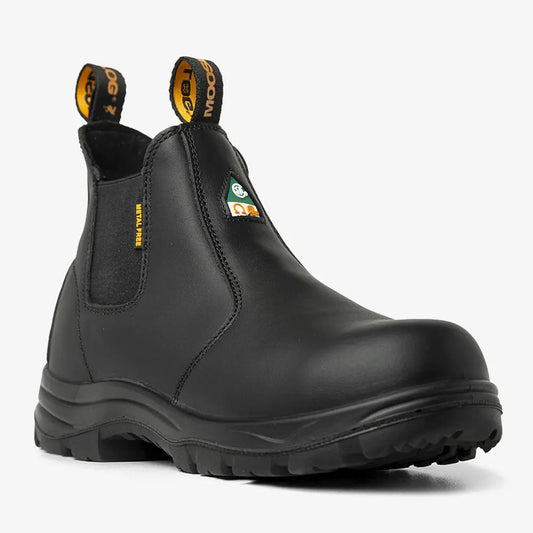
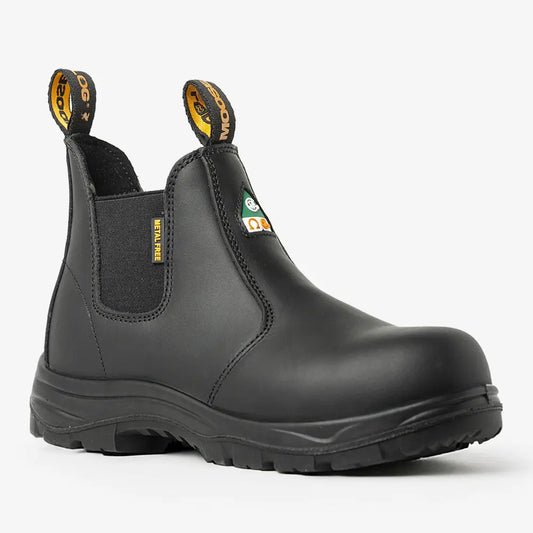
MooseLog focuses on composite toe footwear because it delivers a balanced mix of protection, comfort, and mobility. Our flagship Timber boot uses a composite safety toe along with a puncture-resistant plate, slip-resistant outsole, and full CSA and ASTM certification.
This combination supports long workdays and helps reduce fatigue without affecting safety performance.
Final Verdict: Composite vs. Alloy Toe
Composite toe work boots offer excellent comfort, metal-free construction, and certified safety, which creates a strong option for environments that value mobility and temperature stability. Alloy toe boots offer slim construction and strong protection with a lighter feel than steel. Both have value depending on your work conditions and comfort preferences.
MooseLog recommends composite toe boots for most job roles because they support flexibility, consistent comfort, and dependable protection without metal components. Browse the work boot collection to find the right fit for your shift.