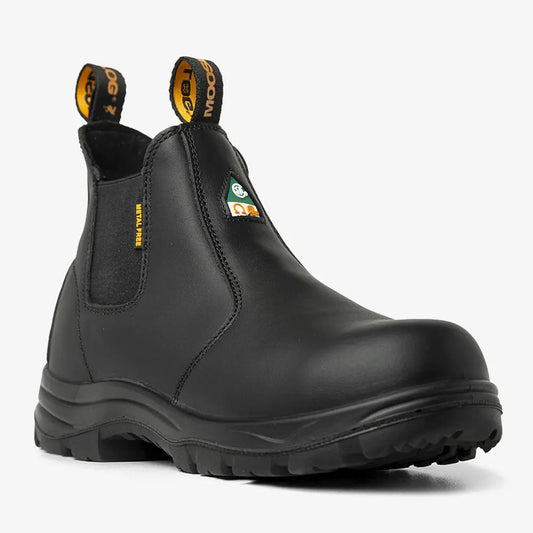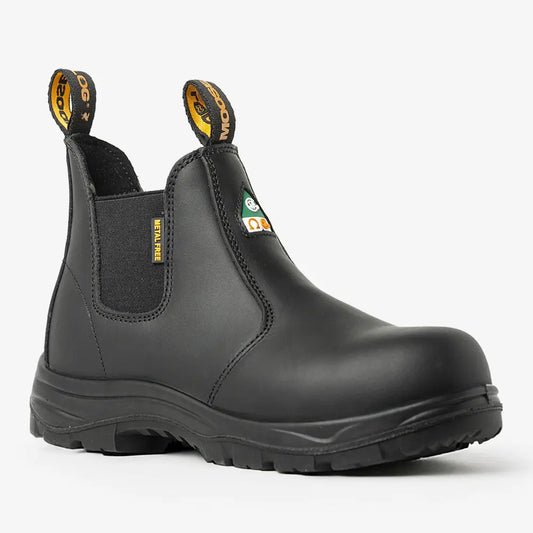


What Is the Best Construction for CSA Approved Safety Shoes
Workers rely on CSA Approved safety shoes to protect them from impact, puncture, and a wide array of workplace hazards.
What does CSA mean in shoes?
The CSA Group (Canadian Standards Association) is a globally recognized standards organization that develops standards in 57 areas. For safety footwear used in Canada, the CSA sets rigorous requirements to ensure a baseline level of protection. When a boot is marked as "CSA Approved," it signifies that it has been tested and certified to meet these minimum safety requirements.
The CSA Z195 Standard
Specifically, Canadian protective footwear must comply with the CSA Standard Z195-14 – Protective Footwear. This standard specifies the design, performance, testing, and marking requirements. It is the definitive guide that confirms the safety boot provides reliable defence against:
- Impact and Compression (toe cap protection)
- Puncture Resistance (sole plate protection)
- Electrical Hazard Protection
- Metatarsal Protection (when required)
The construction of the boot controls its overall performance, comfort, and long-term durability. A strong, compliant build is essential as it reduces fatigue, resists breakdown, and keeps the foot stable through long shifts. This guide explains the specific construction methods that shape reliable safety footwear used on Canadian jobsites.
Why Construction Matters in CSA Approved Safety Shoes
CSA tests confirm that footwear meets minimum requirements. The build of the shoe determines how the boot behaves in real environments. Jobsite surfaces, weather, walking distance, and load all influence how the shoe performs. Research from the Canadian Centre for Occupational Health and Safety reported that workers who stand more than six hours per day see measurable improvements in fatigue when footwear distributes pressure evenly across the midsole and forefoot.
Good construction supports the toe cap, stabilizes the heel, secures the outsole, and locks the upper in place. A clear build structure gives workers predictable performance across concrete, steel, plywood, and uneven terrain. Safety shoes that use high-quality construction methods keep their strength through months of heavy use.
Stitchdown Construction for Stability and Jobsite Control

Stitchdown construction uses an extended leather upper that flares outward and stitches directly to the midsole. This creates a wide base that keeps the foot stable. Construction workers choose stitchdown styles when they need stronger edge support on uneven surfaces.
How Stitchdown Helps Workers
A stitched bond handles lateral force well. When workers carry tools or materials, the wide platform keeps the foot aligned. The bond resists separation in environments with high moisture and surface abrasion. The open stitch allows resoling in many cases, which extends the lifespan of the safety shoe.
Direct Injection Construction for Flexible and Active Workdays

Direct injection uses heated polyurethane that fuses the upper and outsole into one solid unit. There are no seams between the midsole and the upper. The bond forms naturally and holds strong through daily bending and compression.
Why Workers Choose Direct Injection
Direct injection construction is the ideal choice for modern safety footwear, specifically engineered for roles that demand high mobility, all-day cushioning, and unwavering bond security.
1. Unrivaled Sole-to-Upper Bond Security
The direct injection process is recognized for creating a permanent, chemical fusion between the upper and the outsole.
- Seamless, Permanent Fusion: Unlike cemented or stitched methods, direct injection uses heated liquid polyurethane (PU) that is molded directly onto the upper. This forms a monolithic, hermetic seal, eliminating traditional weak points like glue lines or stitch holes.
- Maximum Separation Resistance: This integral bonding drastically minimizes the likelihood of sole separation. Since the bond is chemical rather than adhesive, it maintains its integrity even when exposed to high moisture, fluctuating temperatures, or common industrial chemicals that can degrade traditional glues.
2. Superior, Long-Lasting Shock Absorption
The midsole created through direct injection is inherently superior for cushioning in high-mileage work environments.
- Resilience and Consistent Rebound: The specialized PU foam used in the midsole has a higher resistance to compression set (the permanent flattening of the material) compared to lighter foams like EVA. This means the boot maintains its original cushioning and energy return, providing consistent arch and heel support throughout the boot's lifespan.
- Reduced Foot and Joint Fatigue: The lasting rebound effect offers measurable stress reduction on the worker's joints. For those walking over 10,000 steps a day, the continuous shock absorption helps to mitigate end-of-shift fatigue and long-term strain.
3. Lightweight Comfort and Enhanced Flexibility
Direct injection delivers heavy-duty protection without the heavy feel.
- Waterproof Protection: The seamless construction creates an immediate and effective waterproof barrier around the sole perimeter, ensuring dry feet in damp conditions.
- Optimized Weight: By precisely controlling the density of the injected PU, manufacturers can optimize the weight, resulting in a flexible, lightweight boot that feels natural during fast movement and while climbing stairs or maneuvering in tight spaces.
Cemented Construction for Lightweight CSA Approved Safety Shoes

Cemented construction uses a strong adhesive that secures the upper directly to the outsole. This creates a lighter shoe with a faster production time. Many composite toe models use cemented construction because it supports a lightweight build.
Advantages for Workers
Cemented footwear reduces fatigue during long-distance walking. The streamlined build distributes weight evenly from heel to toe. Many cemented safety shoes use flexible soles that feel natural during fast movement. Workers who walk across large buildings or shift between indoor and outdoor environments benefit from this method.
Outsole Construction for Grip and Jobsite Safety
The outsole forms the base of every CSA Approved safety shoe. Strong construction uses rubber compounds that resist abrasion and handle wet or dusty surfaces. The tread pattern influences grip on concrete, steel, and textured surfaces.
Slip Resistance Matters
The Canadian Centre for Occupational Health and Safety reports that slips, trips, and falls remain one of the leading causes of workplace injuries. A good outsole uses channels and lugs that move water away from the foot. Rubber compounds stay flexible in cold weather and maintain traction when workers step on angled or unstable surfaces.
Key Features to Look For
Heat resistant rubber
Oil and chemical resistance
High surface contact area
Deep lugs for outdoor traction
Toe Cap Integration and Forefoot Control
CSA Approved safety shoes must protect workers from impact and compression. The toe cap only performs well when the surrounding construction supports it. A well-built forefoot uses a precise last shape that aligns the foot naturally.
Composite, Steel, and Alloy
Composite toe caps reduce weight. Steel and alloy remain firm choices for workers who prioritize thin profiles. The construction method should secure the cap with clean internal lining and remove pressure points during long wear.
Why Fit Matters
The toe cap must stay centred. A poor build shifts the foot against one side and increases fatigue. Good construction supports the cap with reinforced stitching, padded edges, and internal shaping that keeps the foot comfortable through extended shifts.
Midsole Support That Reduces Fatigue
A strong midsole absorbs force and reduces stress on the foot. CSA Approved safety shoes rely on midsoles that maintain structure and rebound over time. Polyurethane midsoles perform well for long walking days because they cushion consistently and resist breakdown.
Key Midsole Functions
Force absorption
Arch support
Heel stability
Energy return during motion
Strong construction keeps the midsole aligned with the heel counter and prevents collapse in high-pressure zones.
Puncture Plate Construction in CSA Green Triangle Boots
The Green Triangle mark requires puncture protection. The plate inside the midsole blocks penetration from nails and sharp materials. Composite plates provide flexibility and coverage without adding weight.
How Good Construction Improves Safety
The plate must stay locked in place. Strong construction surrounds the plate with stable materials that stop shifting during kneeling or climbing. A secure plate increases confidence when navigating active jobsites.
Conclusion
The best construction for CSA Approved safety shoes depends on the demands of the workday. Stitchdown provides stability. Direct injection supports flexible movement. Cemented construction reduces weight for long walking shifts. Outsole, midsole, and toe cap integration add structure and long-term comfort. Workers should choose builds that match their daily tasks and meet the CSA marks required for their job.
Explore the full CSA Approved Safety Shoes guide to understand every requirement, mark, and construction detail that supports Canadian workers.